Holafly vs Airalo in Vietnam: I Paid for Both, Which One Is Better?
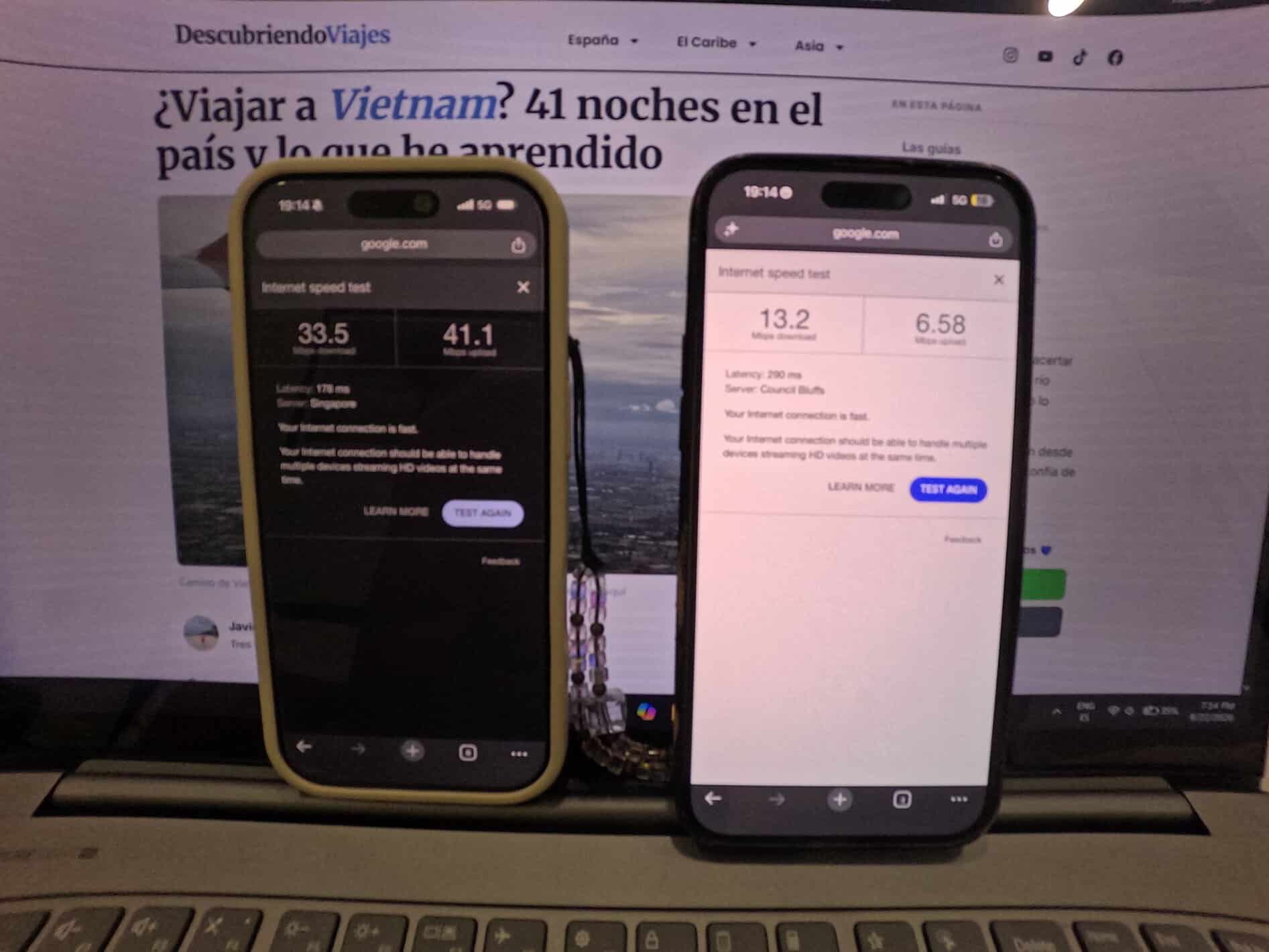

⚡ First things first, because it changes the question: in Vietnam both run on the same network, VinaPhone. So this isn’t about who has better coverage, because it’s identical, but about how each one gets treated on that network.
And my answer, so you don’t have to scroll to the end: I’d go with Holafly, though not for the reason you’d expect, and I’ll put all my cards on the table as you read on.
| Holafly | Airalo | |
|---|---|---|
| Network in Vietnam | VinaPhone | VinaPhone |
| Trustpilot rating | 4.7 out of 5 | 4.0 out of 5 |
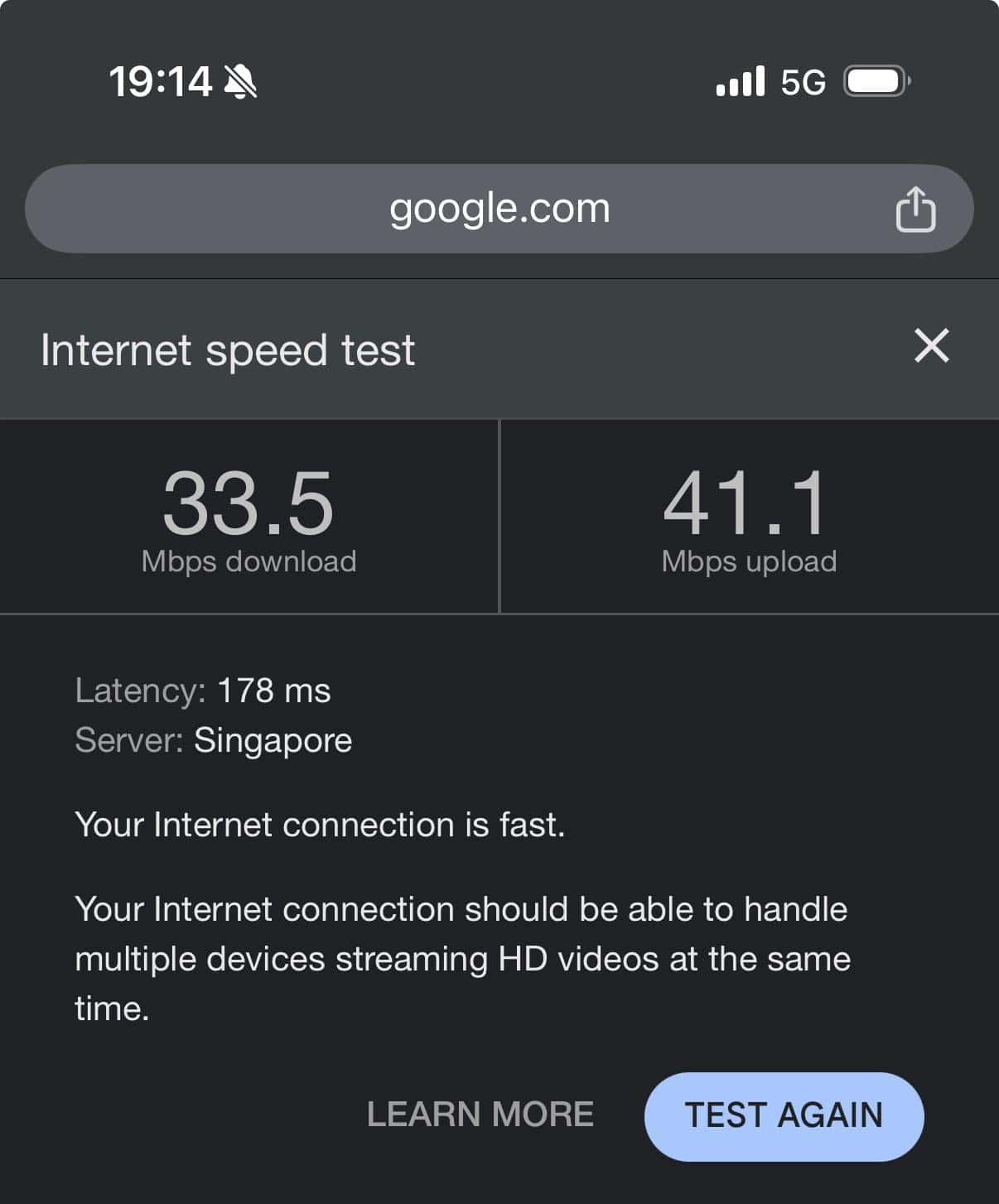
| Download, both tested at once | 33.5 Mbps (Singapore server) | 13.2 Mbps (US server) |
| Upload, both tested at once | 41.1 Mbps (Singapore server) | 6.58 Mbps (US server) |
| With the tower overloaded | 0.30 Mbps | 0.02 Mbps |
| Sharing the connection | Yes, up to 1 GB a day | Yes, too |
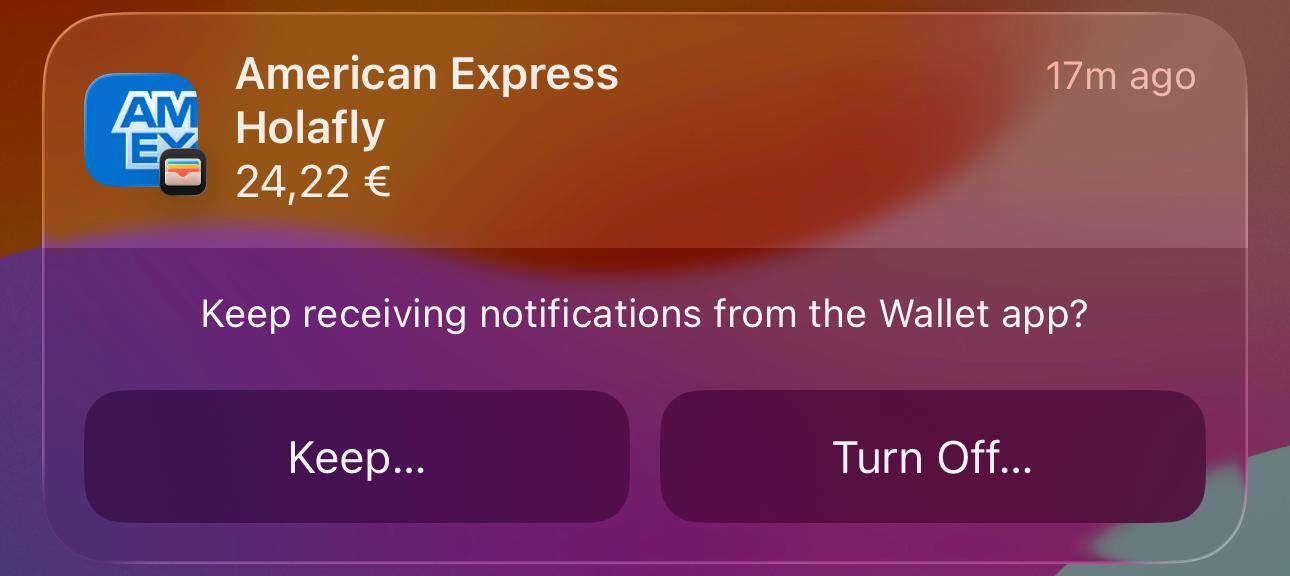
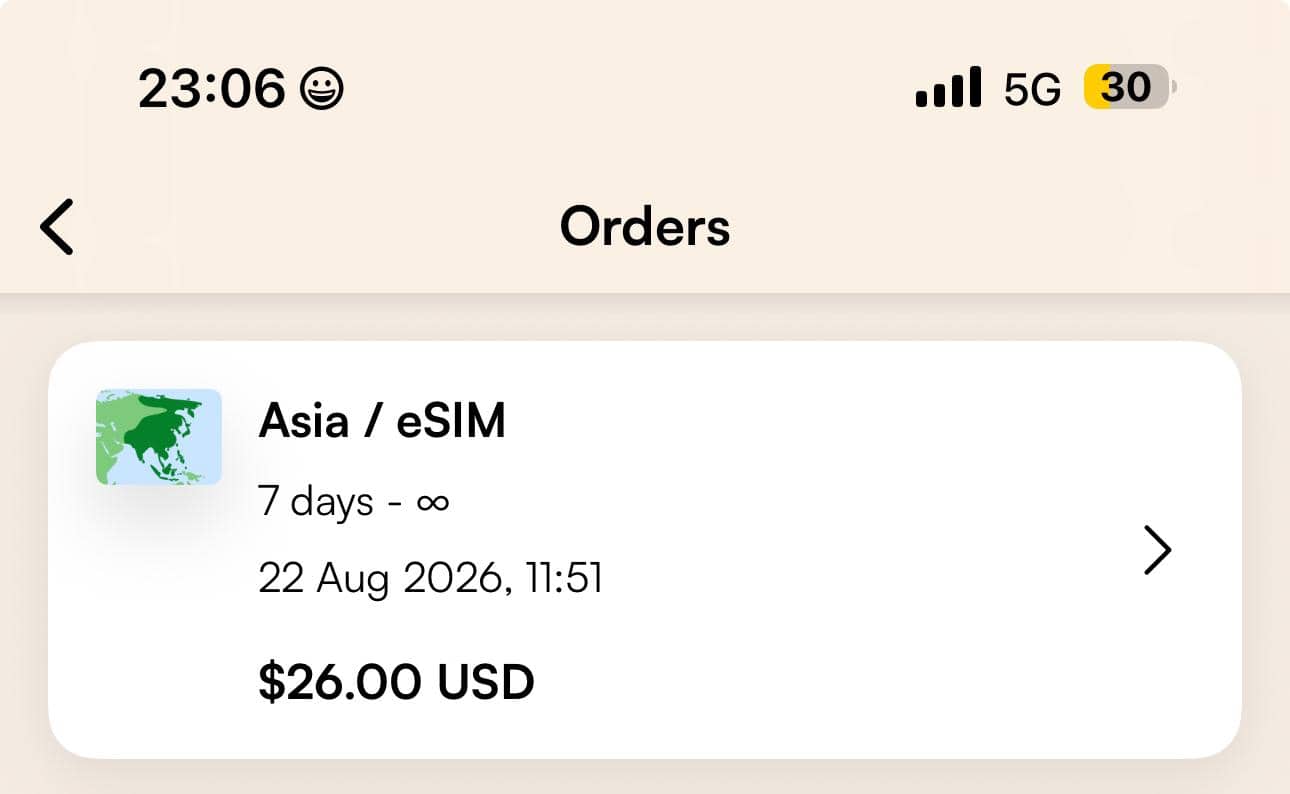
| What I paid, 7 days unlimited | €24.22 (about $28) | €22.92 ($26 list price) |
| My pick | ✅ Yes | ❌ No |
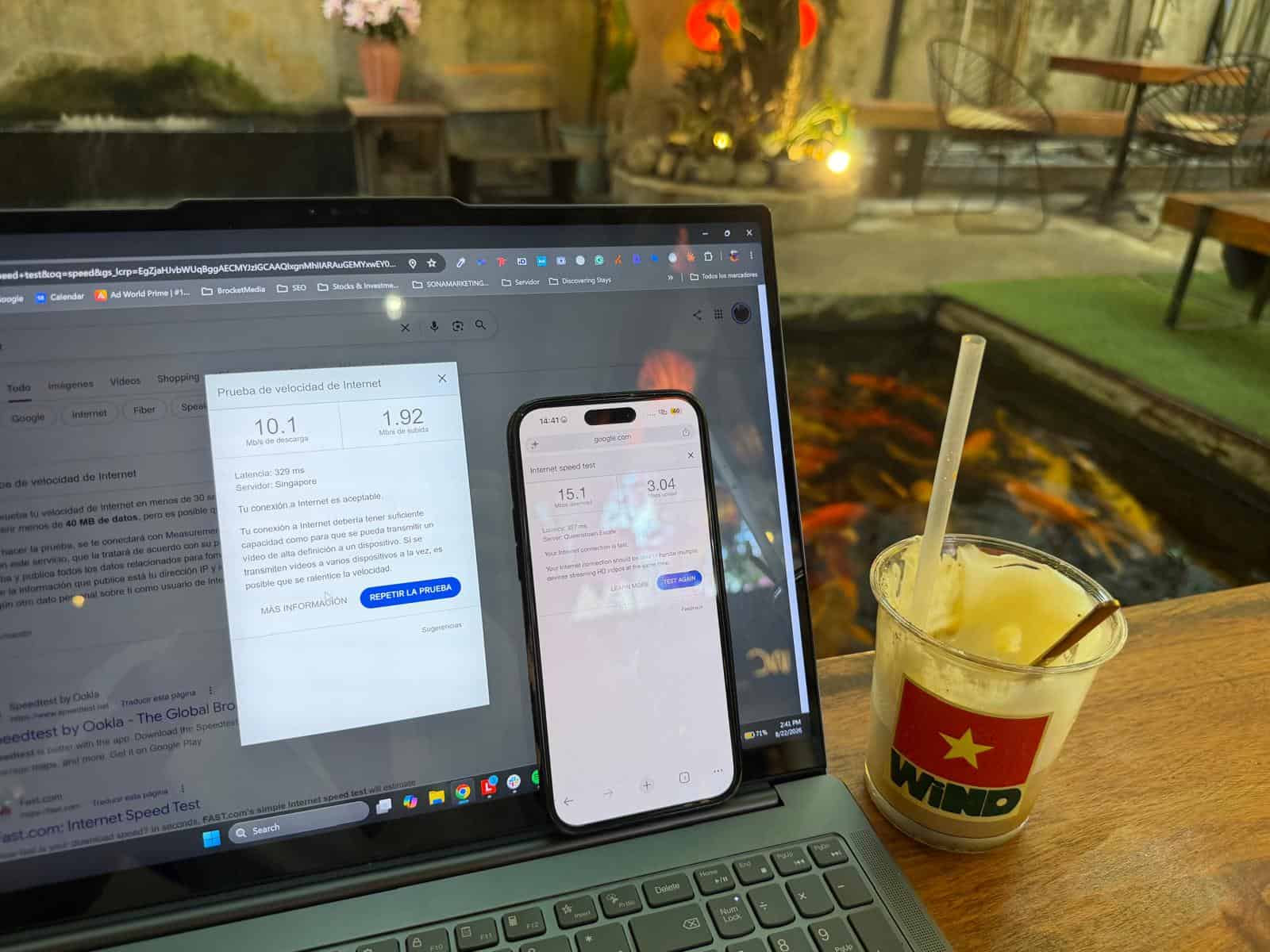
A word of caution about the two speed rows, which come from the photo above: they were measured in the same minute, but Google’s speed test picked a different server for each phone, Singapore for one and the United States for the other. That alone explains a good part of the gap, and I go through it in full further down.
Use the code DESCUBRIENDO for 5% off Holafly
I bought both, paid for them myself and carried them at the same time for a week in Vietnam. Two phones, one eSIM in each, both switched on and tested in the same second.
What I wanted to know was which one holds up better when things get ugly, which is exactly when you need data most. And along the way I found something I didn’t expect and that no other comparison mentions: in Vietnam, both connect to the same cell tower.
1. Why these two and not six others
Before anything else, so you know what this comparison is about. I’m not pitting a good one against a bad one. Holafly and Airalo are two of the biggest names in the industry, both backed by thousands of happy customers, and that’s why they’re the two I bought.
Look at the ratings, which aren’t mine:
| Average Trustpilot rating | |
|---|---|
| Holafly | 4.7 out of 5 |
| Airalo | 4.0 out of 5 |
Both are well rated, but they’re not tied: Holafly scores almost a full point higher. And a 4.0 isn’t a failing grade either. It’s a good score for a service used in dozens of countries at once.
Even so, the choice here isn’t between getting it right and getting it wrong. Both will get you online in Vietnam. What follows is the fine print, the part neither Trustpilot nor the brands’ own websites will tell you.
2. Both run on VinaPhone, and that changes the question
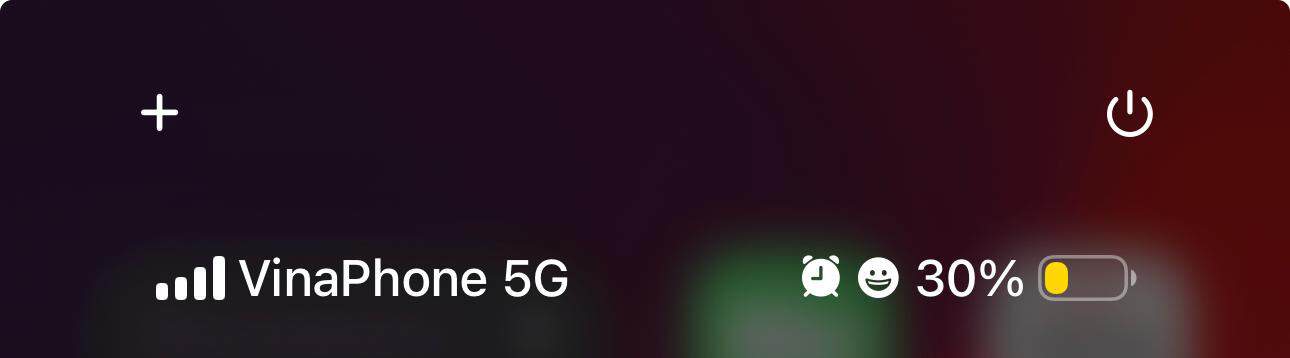
You can check it yourself as soon as you land, because the network name shows up in your phone’s status bar. Neither Holafly nor Airalo has its own towers in Vietnam: both rely on VinaPhone’s network, one of the country’s big three alongside Viettel and Mobifone.
So the question almost everyone starts with, which one has better coverage, doesn’t really apply here. The coverage is the same because the tower is the same. What can differ is something else, and it’s far more interesting.

Neither is a carrier, both are resellers
This detail explains a lot of what comes next. Holafly and Airalo aren’t phone companies: they buy capacity wholesale and resell it to you as a package you can install in two minutes from your couch. That’s what you’re paying for, and it’s money well spent.
But it has consequences you’ll notice. The first is ping: your traffic doesn’t go straight out to the internet, it passes through the reseller’s infrastructure first, which is why response times ranged from 81 to 178 milliseconds instead of the 20 you’d get on a local line. For work you won’t notice. For precision online games like WoW or Counter-Strike, you will.
The second is the one that really matters, and it’s coming up in the next section: when the tower fills up, the guest loses its place before the long-standing subscriber does.
3. How I tested, with the caveats up front
A comparison is only worth something if you know the conditions behind it, so here are mine before the numbers.
Both at once, in the same place and in the same second, not one today and the other tomorrow. Holafly was on an iPhone 17 Pro and Airalo on an iPhone 15 Pro Max, both on the same data mode. That’s the easiest trick to slip into a comparison, and I show you on video further down that I didn’t.
All the measurements were taken in Da Nang, with Google’s speed test and with Speedtest. Da Nang has the same 5G coverage as Hanoi or Ho Chi Minh City on VinaPhone’s map, so these numbers hold for any big city in the country. In villages and on the road the network drops to 4G, which is still more than enough for what you’ll be doing.
Now the catch, and I’d rather say it before anyone else does. The sample is small: one week, one city and a handful of tests. It’s not a lab, it’s a trip.
What I can tell you is that I did it as carefully as I could: both eSIMs paid out of my own pocket, both on unlimited plans, both for seven days and both tested at the same time. With that on the table, judge the numbers for yourself.
4. The test that set them apart: the Dragon Bridge breathing fire
On weekend nights, Da Nang’s Dragon Bridge breathes fire and sprays water, and the place gets packed. Truly packed: thousands of people squeezed onto the same walkway, all filming on their phones.
At nine at night I had no internet. Signal, yes, and bars on the screen too, but no data at all. Not with Holafly and not with Airalo. I sat in the park opposite until twenty past nine, because riding a scooter out of there with European reflexes wasn’t an option, and used the time to test both at once.
| Where and when | eSIM | Download | Upload |
|---|---|---|---|
| Dragon Bridge, with thousands of people around | Holafly | 0.30 Mbps | 0.14 and never finished |
| Same place, same second | Airalo | 0.02 Mbps | Never got going |
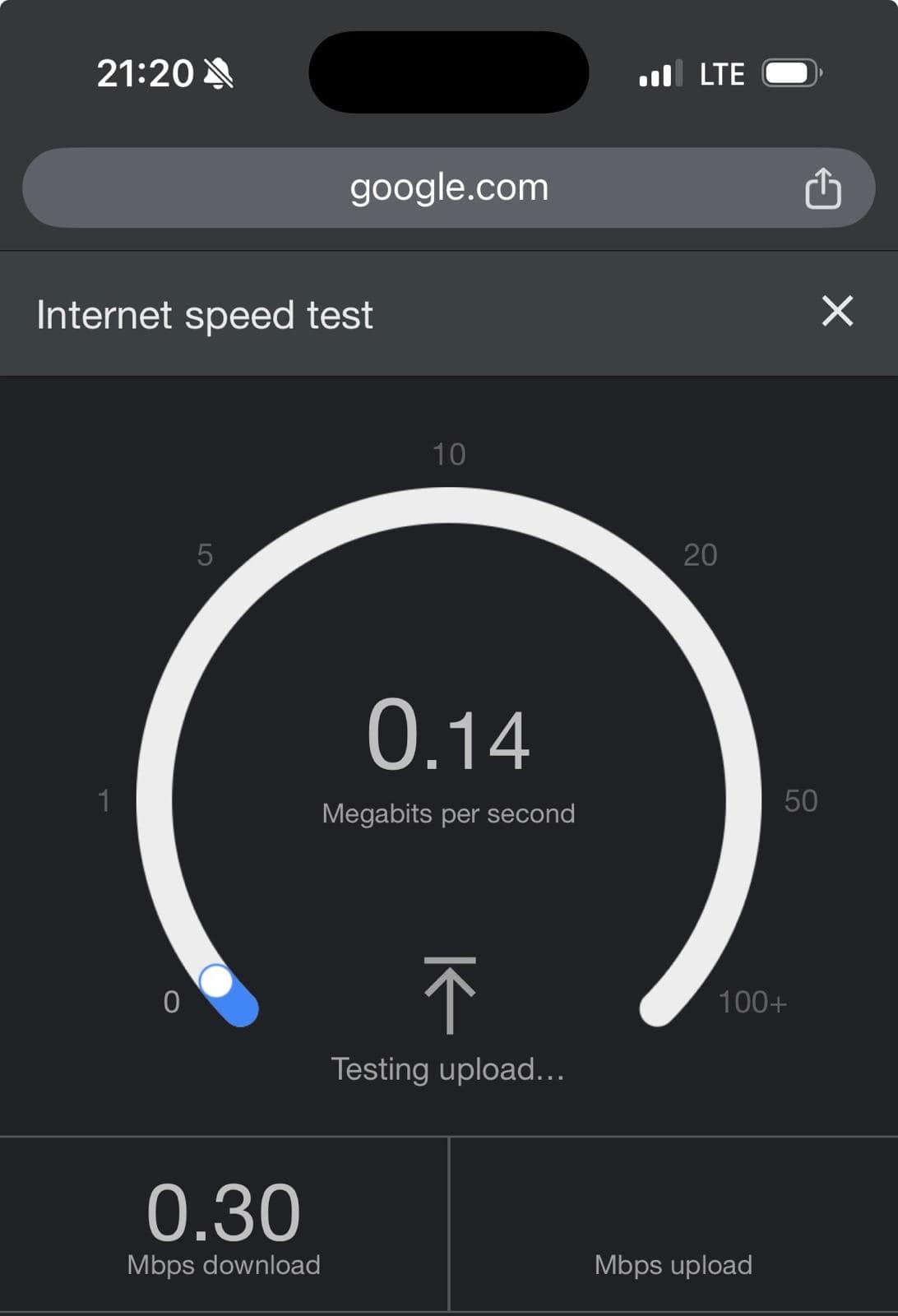
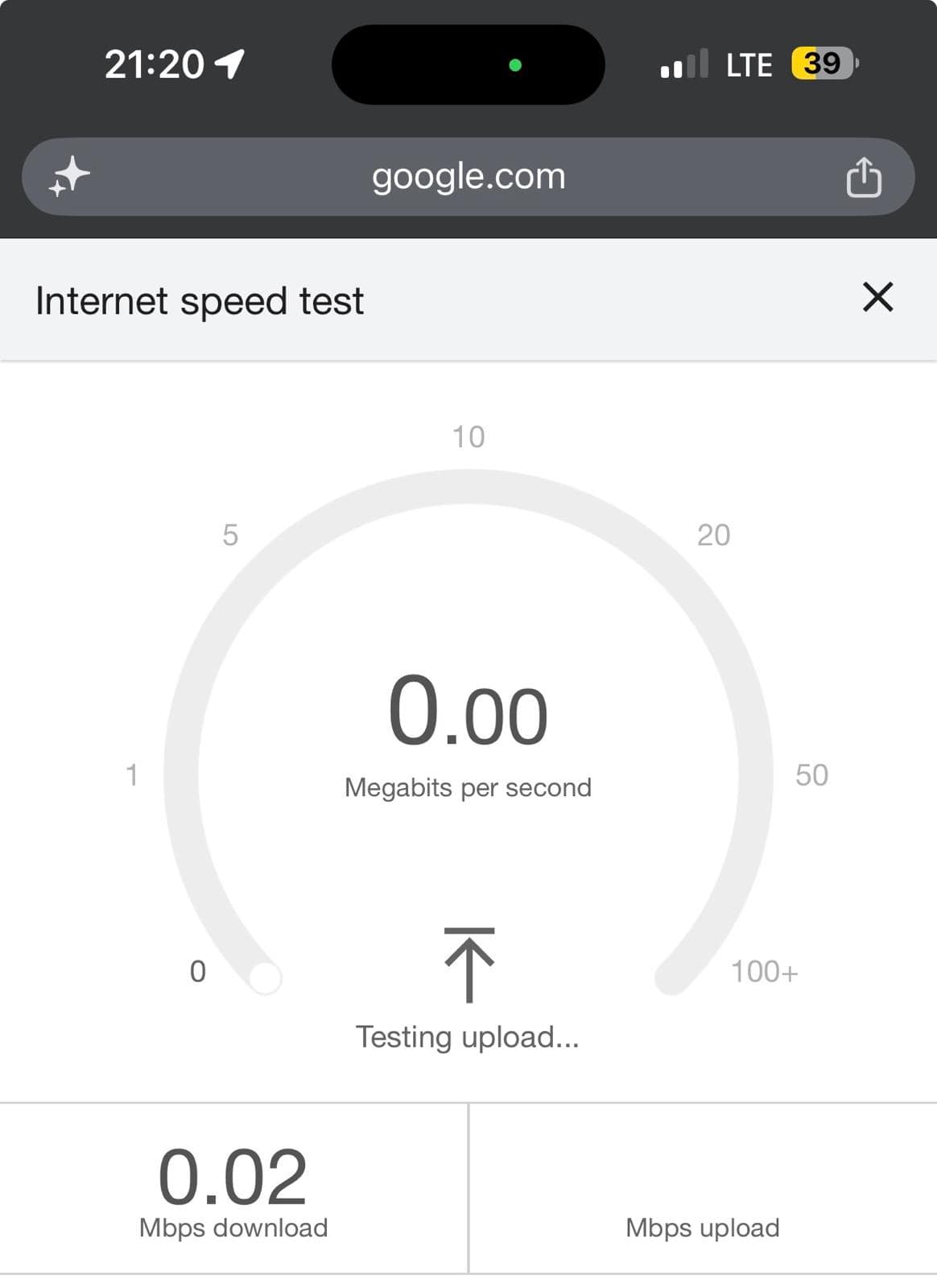
You might think it makes no difference, that 0.30 and 0.02 are just two ways of having no internet. It does make a difference, and that’s exactly the line you care about. With 0.30 my messages came through and the map loaded, slowly, but it loaded. With 0.02 WhatsApp barely moved.
What neither of them could do was open a photo, order a Grab or upload anything. Enough to get by, not enough to function.
And this isn’t the eSIM’s fault
I want to be clear on this, or the numbers get misread. What I had there was an overloaded tower, and with thousands of phones fighting over it anyone drops, including a local on their regular SIM. The proof is that both failed, not just one.
One detail confirms it: both screenshots say LTE, not 5G. Both phones had fallen off the fast network, which is the signature of a saturated cell, not of a problem with either brand.
The point from the previous section does come into play here: both get in as guests, and the guest loses its place first. But the practical takeaway isn’t about the product, it’s about logistics: if you’re heading somewhere crowded, download the map, agree on a meeting point with your group and don’t count on ordering a Grab on the way out.
With all that said, between walking away with 0.30 or with 0.02, I’ll take the 0.30. It’s one night and one test, though, so don’t turn it into dogma.

And on a normal day, both work fine
Don’t get the wrong idea from the bridge, because that was an extreme case. The rest of the week both delivered more than enough for anything you’d normally do: work, video calls, maps, Grab and streaming.
The photo at the very top is exactly that: both phones propped against the laptop at 7:14 pm, testing in the same minute. The one on the left has Holafly and shows 33.5 down and 41.1 up. The one on the right has Airalo and shows 13.2 and 6.58.
Now look at the small print on both screens and you’ll see the line that changes everything: one says “Server: Singapore” and the other “Server: Council Bluffs”, which is in Iowa, in the middle of the United States.
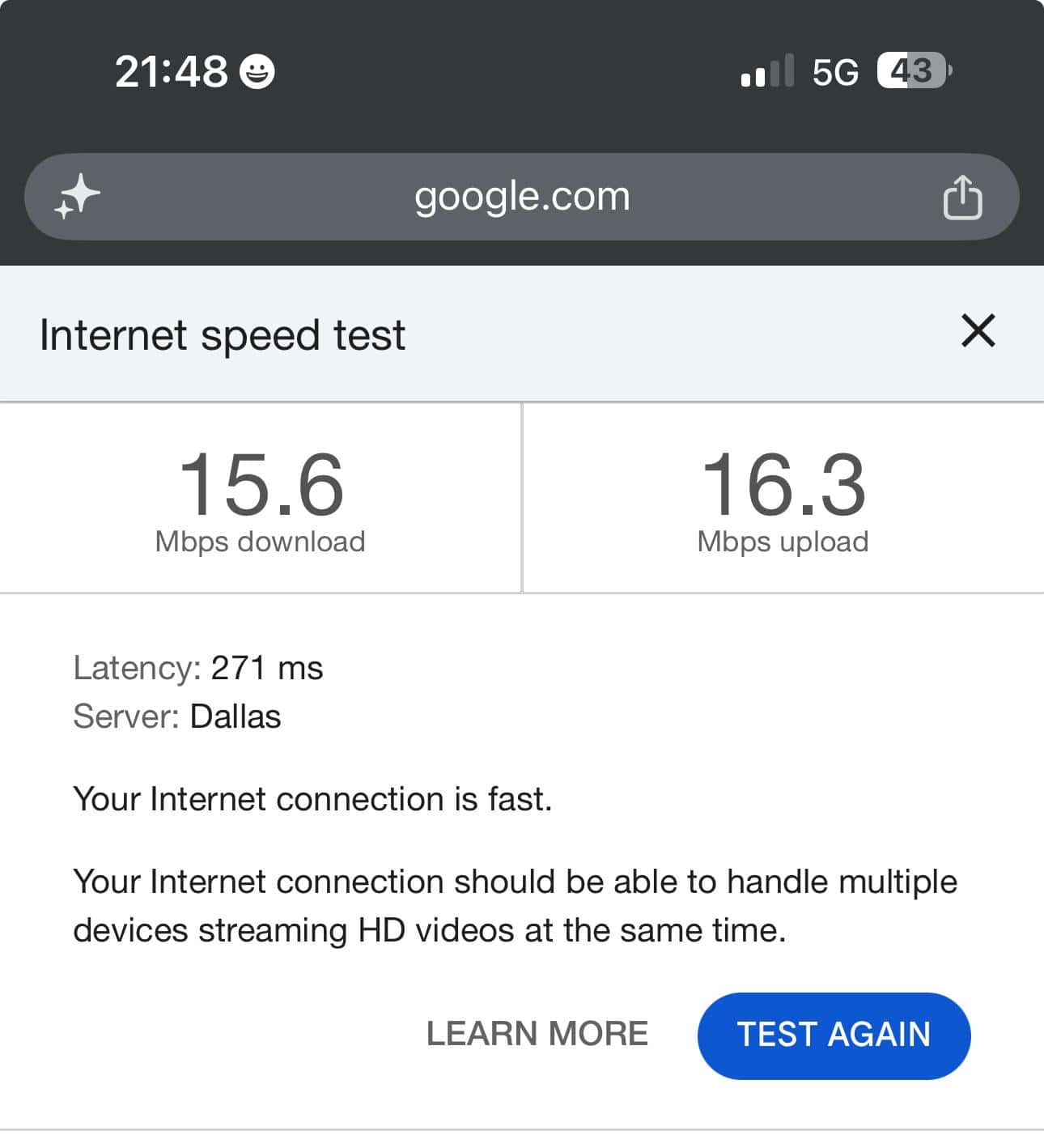
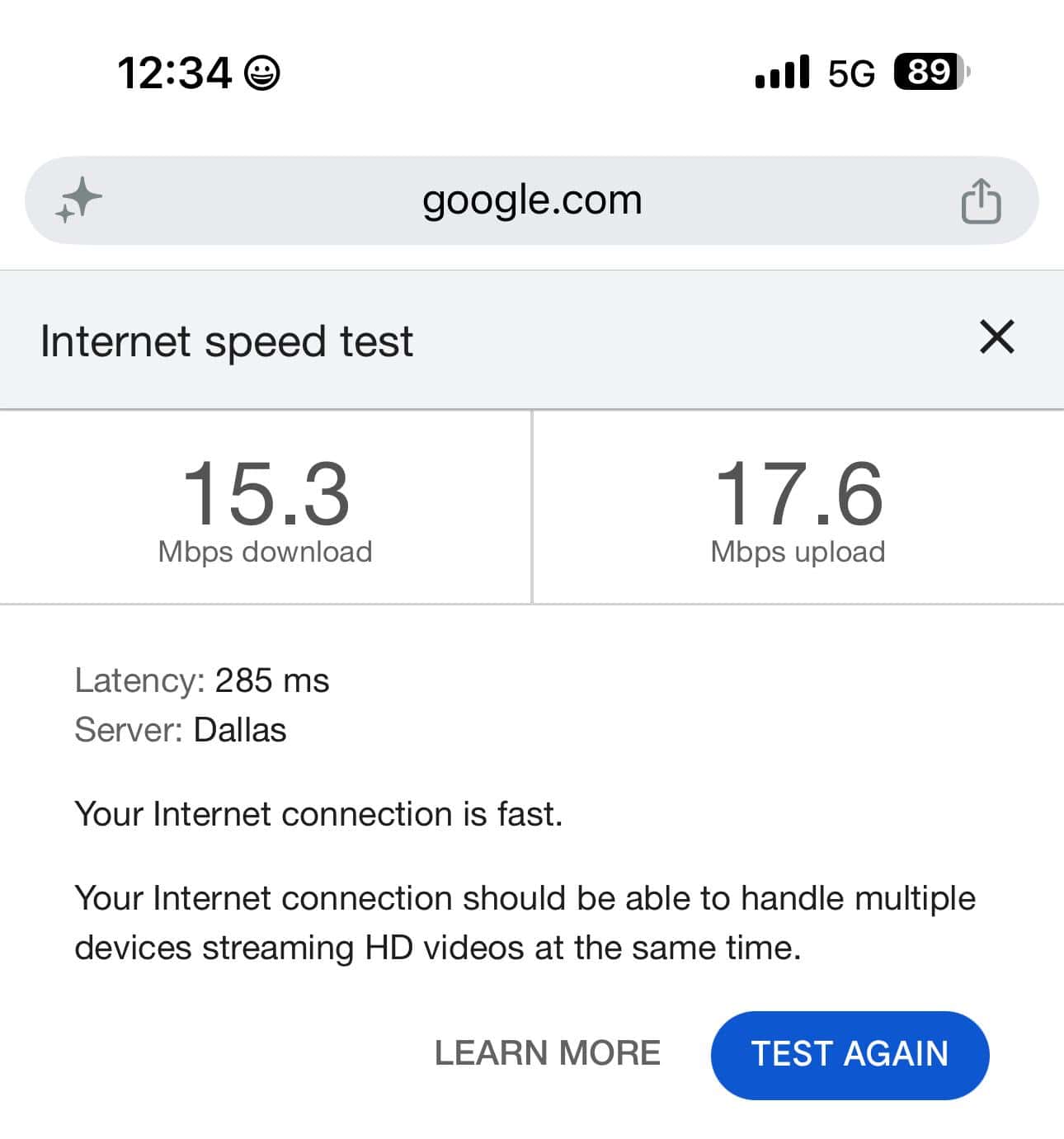
The first thing that stands out is that Airalo doesn’t care where you are: on the beach, with weaker coverage, and in the city center it scores practically the same. That’s a good sign, and more than I can say for a lot of hotel Wi-Fi.
Notice something else, too: in these two, tested on their own, Airalo’s upload reaches 16 and 17 Mbps, far more than the 6.58 in the cover photo. I’m showing you because keeping only its worst result would be cheating, and because it shows how much these tests swing: the same eSIM, on the same day and in the same city, can give you half or double depending on which server it gets measured against.
Why I’m not telling you Holafly is twice as fast
Because I don’t know that, and the numbers in the photo don’t prove it. Google’s test picks the server on its own, and it picked a different one for each phone: Singapore for Holafly and the United States for Airalo, all three times I tested it.
It’s the difference between crossing part of the South China Sea and crossing half the planet, and it shows in the latency: 178 milliseconds against 271 and 290. A test that goes to a server three times farther away returns fewer megabits even when the connection is identical.
Comparing those two numbers would be like timing two runners in races of different lengths and declaring the one with the lower time the winner. So I won’t.
What I can tell you is what matters: with 15 Mbps down and 16 up you can work, make video calls and watch Netflix without giving it a thought. On a normal day, Airalo is more than enough. And the only time I put them head to head on equal terms, in the same second and in the same place, was on the bridge.
5. Before you blame either one, check this setting
This happened to me while testing, and I very nearly blamed the eSIM. The iPhone ships with 5G held back to save battery, and with that setting on, your upload stays at a fraction of what the network can give you.
In my case, with the same eSIM and without moving an inch, upload went from 10.6 to 41.1 Mbps just by flipping that switch. Almost four times as much.
On the iPhone the path is Settings, Cellular (Mobile Data on some models), Cellular Data Options, Data Mode. That’s where you choose between “Allow More Data on 5G” and Standard.
It belongs in this comparison because it affects both equally, and because you may have spent months blaming your eSIM for something that’s actually controlled by a switch on your phone.
That’s why both were tested with the same setting
If you compare two eSIMs with that switch set differently on each phone, the numbers mean absolutely nothing. It would be as easy as putting the brand I want to win in fast mode and the other in Standard, then showing you a gap that doesn’t exist.
So here’s the proof, and it’s the reason I filmed it: both phones had “Allow More Data on 5G” turned on when I ran the tests. This is the Airalo one, the one you might think came off worse.
6. “Unlimited” doesn’t mean what you think, with either of them
You’ve already seen that the tower belongs to VinaPhone, so this follows naturally: the usage rules are set by the local carrier, not by your eSIM brand. Once you go past a certain amount of data in a single day your speed gets throttled, and the next day the counter resets.
Be clear on what that means: you don’t run out of data, you run out of high speed. You can still browse, chat and watch video. You’ll notice it if you’re moving something big, and not much else.
That’s why I don’t obsess over the big number from a midday test. What really decides it is whether you get coverage where you are, whether you can share the connection and how it behaves when the network is under strain, which is exactly what I’ve tried to measure here.
This also answers something that may have struck you as odd if you’ve been following me for a while: in my eSIM comparison for the Dominican Republic I wrote that Holafly was inconsistent, and it’s still there, untouched. I haven’t changed my mind, I’ve changed countries. The carrier behind it in the Caribbean isn’t VinaPhone.
7. Sharing the connection with another phone or your laptop
It’s the first thing almost everyone comparing unlimited plans asks, and for good reason: if two of you are traveling and only one has data, the plan costs you half. It’s also where some brands cut back without saying so on their homepage.
With Holafly I had my laptop and a second phone hooked up at the same time, and both worked fine all week, without a single drop. That’s exactly where I expected to hit the cap, and it never showed up.
Here’s a trick I always use, and it ties in with the previous section. When I sit down to work with the laptop tethered, I switch my phone to Low Data Mode on purpose. Browsing works just as well and video drops in resolution, but that’s about it, and you use far less data and take much longer to reach the point where the carrier throttles you. A whole morning of work fits in comfortably.
It’s the same switch I mentioned before, used the other way around: full power when you want speed, low when you want stamina.
And Airalo lets you do it too. I tested it the same way and it shared data without any problem, so there’s no winner here: both allow it.
The limit you do need to know about
With Holafly, what you can share is 1 GB a day. That isn’t the plan’s total usage, which stays unlimited on your phone. It’s how much you can pass on to other devices each day.
For what most people do, checking email on the laptop or giving your partner’s phone some data for a while, it’s plenty. It falls short if you plan to work all day with the laptop tethered to your phone and streaming video, and that’s where Low Data Mode stretches that gigabyte much further than you’d think.
8. What each one costs and what you get
Here’s the important part, and it follows from everything above. If both use the same tower, what’s left to decide on is price and the fine print. Not the megabits in a screenshot.
| Option | What you pay | What you get | What it costs you in time |
|---|---|---|---|
| Holafly, Asia plan | €25.50, and €24.22 with the code | Unlimited data in Vietnam and six other countries in the region | Two or three minutes from your couch |
| Holafly, Vietnam-only plan | €25.50, the same price | The same, but valid in only one country | Two or three minutes from your couch |
| Airalo, Asia plan | $26, which my bank charged as €22.92 | Unlimited data, also regional | Two or three minutes from your couch |
| Airport SIM, VinaPhone | $12 for 7 days, $13 as an eSIM | The same network, but as a customer rather than a guest, and a Vietnamese number for $1 more | Waiting in line, paperwork and photos of your passport stored at a kiosk in Vietnam |
| Roaming with your home carrier | Around €10 per GB with my Spanish one | Your usual number | None, but check the bill |
First warning: don’t buy the single-country plan
Look at the first two rows, because that’s the detail almost everyone misses. Holafly’s Vietnam-only plan costs the same as the one that covers seven countries. The same €25.50.
So unless you have a very specific reason, get the regional plan even if you’re not leaving Vietnam. It costs the same and covers Thailand, Cambodia, Singapore, Laos, Indonesia and Malaysia in case the trip runs longer or you come back in a few months.
Second: both are in the same range
Airalo came to €22.92 and Holafly to €24.22 with the code applied. That’s a €1.30 difference over a whole week, and I’m not going to build an argument on it.
If one cost 25 and the other 15, I’d tell you price decides it. Here it doesn’t: same type of plan, same seven days, both unlimited and both on the same tower. Choosing over €1.30 would mean choosing on the thing that matters least in this whole comparison.
One more thing about that €22.92: it’s what my card charged, at its own exchange rate, not a conversion I did myself. If you pay with a different card, your number will come out slightly different.
And the option that isn’t an eSIM
Look at the airport counter row, because there’s more to it than it seems. That SIM is the same network as both eSIMs, but you’re on it as a customer rather than a guest. It’s half the price, gives you a local number, and on a night like the one on the bridge it would probably hold up a little better.
What you pay extra for with an eSIM is no lines and no paperwork, no stranger photographing your passport and no waiting at a kiosk straight off a twelve-hour flight.
9. Which one I’d pick
I’ll say it straight and then tell you the limits of what I can prove. Based on what I measured that week, I’d go with Holafly. Not by much, and not for the reason you’d expect.
The two reasons, in order
- It held up better at the only moment I really needed it. With the tower overwhelmed, 0.30 against 0.02. Both were struggling, but one let me read the map and the other didn’t.
- The free gigabyte a month from its Always On feature, which deserves a paragraph of its own.
Always On, the monthly gigabyte that sounds small and isn’t
It’s called Always On and it kicks in as soon as you install the eSIM: 1 GB a month, which you keep even after your plan’s days have run out, for twelve months. It won’t cover a whole trip, obviously. It covers two things that do happen to me.
The first is a safety net. You go somewhere for a few days where you’ll barely use the internet and you don’t need to buy anything, because you already have enough data for maps and to let people know you’ve arrived.
The second is even better: you land with internet on day one without having paid, and decide once you’re there which plan suits you. Until you arrive you don’t know what the Wi-Fi is like where you’re staying, how long you’ll be out each day, or whether you’ll be on data all day or barely at all. Buying an eSIM before you leave is a blind bet; with the Always On gigabyte you buy once you know what you need.
And now, the limits of all this
A recommendation without its limits is worth little, and I don’t want to sell you more than I measured:
- Price doesn’t decide it: a €1.30 difference over a week.
- Neither does coverage: it’s the same tower for both.
- The bridge is one night and one test, with a different phone in each hand. It’s a good indication, not a law.
- Tethering doesn’t decide it either: both let you share the connection.
So I’m not going to build you a “buy Airalo if…” column out of filler excuses. Based on what I tested, I don’t have a solid reason to send you to Airalo, and I’d rather tell you that than make one up. It’s an eSIM that works, with a good rating from thousands of customers behind it, and if you already use it and it works for you, you have no reason to switch.
Frequently asked questions
What network do Holafly and Airalo use in Vietnam?
Both use VinaPhone. Neither has its own towers: they rely on the local network and connect as guests, not as subscribers. You’ll see it in your phone’s status bar as soon as you land.
Which one works better in Vietnam?
In my week, Holafly. The difference didn’t show up in a quiet test but with the tower overloaded: 0.30 Mbps against 0.02 in the same second. With one I could read the map and with the other I couldn’t.
Do they work at concerts or in very crowded places?
Badly, both of them. On the packed Dragon Bridge I measured 0.30 Mbps with one and 0.02 with the other. With the tower overloaded, anything drops, a local SIM included. Download your map beforehand.
Why is my upload so slow?
Check your phone’s data mode before blaming the eSIM. On my iPhone, with 5G held back by default, upload ran at 10.6 Mbps. Changing that setting took it to 41.1.
Which one is cheaper for a week?
They’re in the same range: €22.92 for Airalo and €24.22 for Holafly with the code. €1.30 doesn’t decide anything. What does save you money is skipping the single-country plan, which at Holafly costs the same as the seven-country one.
Can I share data with another phone?
Yes, with both. With Holafly the limit is 1 GB of shared data a day, which is plenty for checking email on your laptop or giving another phone data for a while. Airalo allows it too, and I tested it.
So, which one should I buy for Vietnam?
I’d buy Holafly, and the regional Asia plan even if you don’t plan to leave the country, since it costs the same as the Vietnam-only one. If you already have Airalo and it works for you, stick with it: you’re on the same tower and you won’t notice the difference, except on the day you walk into a crowd.
And if you want the rest of what I learned there, it’s in my Vietnam guide. The long review of the Holafly eSIM, with all seven days of screenshots, is in my Holafly eSIM review for Vietnam, and if you’re still choosing an area, see where to stay in Da Nang.
Use the code DESCUBRIENDO for 5% off Holafly